
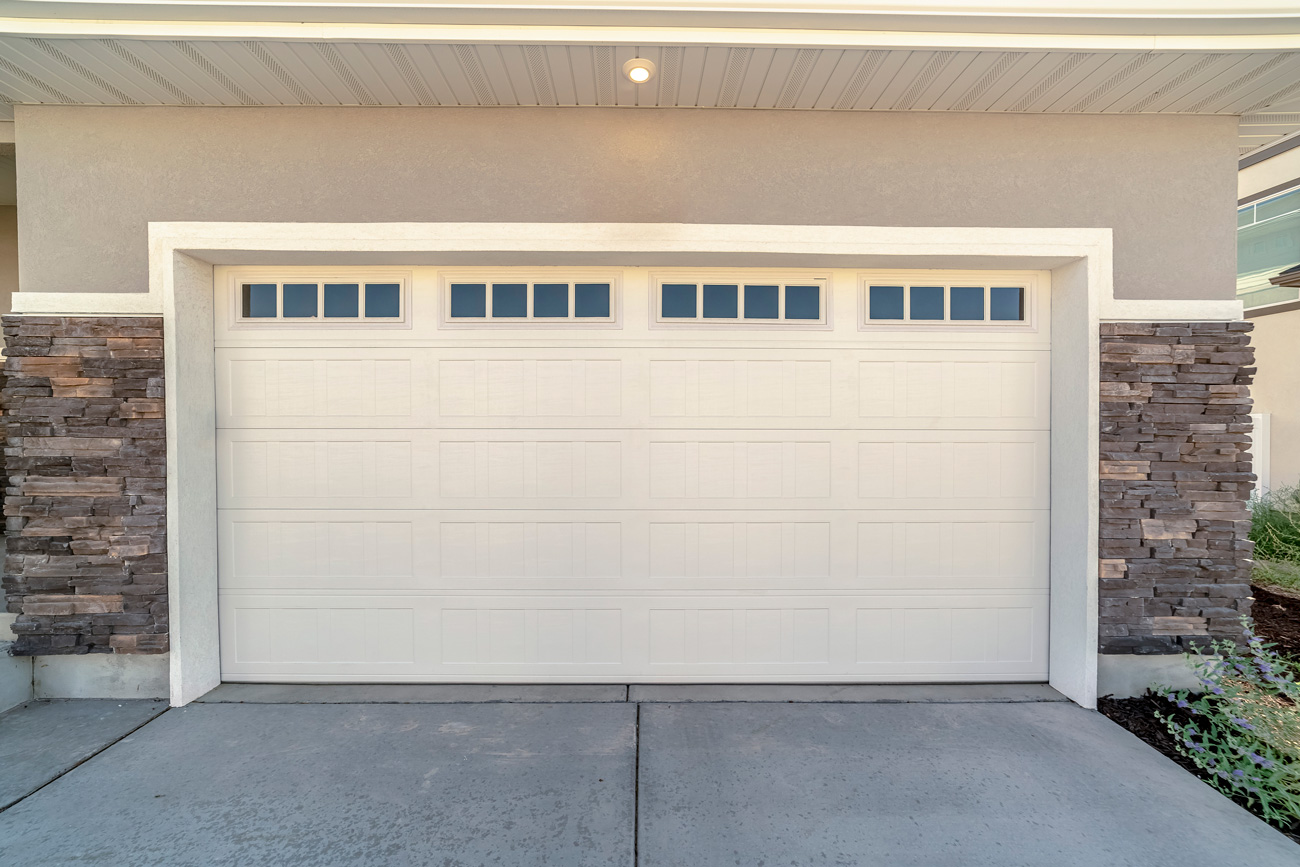

Garage doors, although a seemingly simple part of our homes, consist of intricate components that work together to provide seamless functionality. One fundamental element that plays a crucial role in the smooth operation of garage doors is the radius track. Understanding the significance of radius tracks, knowing how to maintain them, and troubleshooting common issues can enhance the performance and longevity of your garage door system. Let's delve into the world of radius tracks to unravel the mysteries behind their functionality.
1. Decoding Radius Tracks: The Backbone of Garage Door Operation
Radius tracks are curved pieces of metal that guide the garage door as it moves along the track during opening and closing cycles. These tracks are specifically designed to match the curvature of the garage door, allowing for a smooth and uniform movement without any obstruction. By ensuring that the door follows a precise path along the track, radius tracks contribute to the optimal functioning of the garage door.
12-Inch and 15-Inch Radius Tracks
Radius tracks come in different sizes, with 12-inch and 15-inch radii being the most common. The radius size is crucial as it determines how sharply the garage door curves as it transitions from vertical to horizontal.
- 12-Inch Radius Tracks: These tracks are often used in situations where space is limited, such as garages with lower ceilings. The tighter curve allows the door to follow a more compact path, making them ideal for installations where headroom is constrained. However, the sharper curve can put slightly more stress on the door and its components, which is something to consider in long-term maintenance.
- 15-Inch Radius Tracks: A 15-inch radius track provides a gentler curve, which can be easier on the garage door and its moving parts. This is often preferred for standard installations where there is adequate headroom. The smoother transition can help reduce wear and tear on the door and opener, potentially extending the lifespan of the entire system.
Choosing between a 12-inch and a 15-inch radius track depends largely on the specific spatial constraints of your garage and the desired balance between space efficiency and component longevity.
2. The Role of Low Headroom Tracks
In some garages, particularly older structures or those with unique designs, even the standard 12-inch radius track might require more clearance than is available. This is where low headroom tracks come into play.
Low Headroom Tracks
Low headroom tracks are specially designed for installations where the vertical space between the top of the garage door opening and the ceiling is minimal. They allow the garage door to open fully even when headroom is extremely limited. These tracks typically have a dual-track system, one for the top section of the door and one for the rest, which ensures the door can operate smoothly without requiring excessive clearance.
Low headroom tracks are essential for maintaining full functionality in garages with architectural limitations, such as those with low ceilings or obstructions like ductwork or beams that reduce the available space above the door opening.
3. Maintenance Tips for Prolonging Track Life
Proper maintenance is essential to preserve the integrity of both radius and low headroom tracks and prevent premature wear and tear. Here are some maintenance tips to keep your garage door's tracks in top condition:
- Regular Cleaning: Remove dust, dirt, and debris from the tracks to prevent buildup that can impede the door's movement.
- Lubrication: Apply a silicone-based lubricant to the radius and low headroom tracks to reduce friction and promote smooth operation.
- Inspection: Periodically inspect the tracks for signs of damage, misalignment, or rust, and address any issues promptly to prevent further problems.
4. Common Issues & How to Troubleshoot Them
Despite proper maintenance, both radius and low headroom tracks may encounter issues that affect the garage door's performance. Here are some common problems associated with these tracks and how to troubleshoot them:
- Misalignment: If the tracks are not properly aligned, the garage door may veer off course or become stuck. Adjust the tracks using a level to ensure they are parallel and at the correct angle.
- Obstruction: Debris or objects lodged in the tracks can hinder the door's movement. Carefully remove any obstructions and clean the tracks thoroughly.
- Wear and Tear: Over time, the tracks may show signs of wear, such as dents or bends. Replace damaged sections of the track to maintain smooth operation.
By addressing these issues promptly and implementing regular maintenance practices, you can prevent further damage to the radius and low headroom tracks and preserve the functionality of your garage door.
In Conclusion
Understanding the importance of radius tracks, including the specific roles of 12-inch and 15-inch radius tracks, as well as low headroom tracks, is essential for ensuring the efficient operation of your garage door. By following proper maintenance protocols and knowing how to troubleshoot common issues, you can enjoy a smooth and hassle-free garage door experience for years to come.
Remember, the key to a well-functioning garage door lies in the details, and the radius tracks play a pivotal role in unlocking the door to seamless operation.
So, next time you open or close your garage door, remember the unsung heroes working behind the scenes - the radius tracks!